

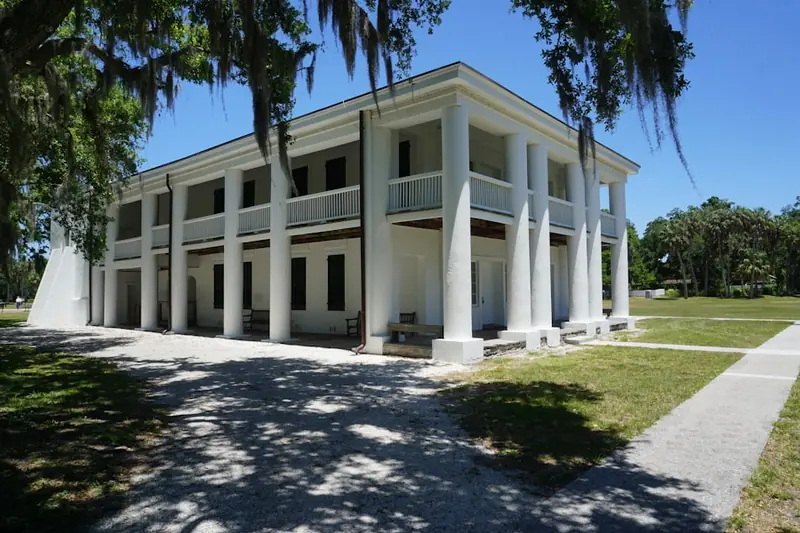
Mobile County is where the South meets the Gulf — a major port city with 300 years of history, a diverse economy, a lower cost of living than most comparable metro areas, and a range of communities that span urban downtown neighborhoods to quiet suburban corridors and rural outskirts.
If you’re considering a move to Mobile County, this guide covers the landscape: the communities, the costs, the practical realities, and what makes the Mobile metro a place people choose intentionally.
All communities in Mobile County are open to buyers and renters of all backgrounds. This guide describes geographic, housing stock, and infrastructure characteristics only.
Why People Are Moving to Mobile County
Mobile doesn’t have the brand recognition of some Sun Belt metros, but the people who live here tend to know exactly why they chose it. A few consistent themes:
Genuine affordability. Mobile offers urban-scale amenities — major employers, healthcare systems, universities, professional sports, a food and arts scene — at a cost of living well below the national average. Housing costs are among the most accessible in the Gulf South.
A working port economy. The Port of Mobile is one of the largest ports in the United States by tonnage, and the maritime, logistics, and industrial economy it anchors provides stable employment across a wide range of skill levels.
Major employer diversification. Airbus has a final assembly facility in Mobile — a genuinely significant addition to the regional economy. The automotive sector, healthcare (USA Health), higher education (University of South Alabama, Spring Hill College), and the military (Naval Air Station Whiting Field nearby) all contribute to a more diversified employment base than many comparably-sized metros.
Deep cultural roots. Mobile is the original home of Mardi Gras in the United States — pre-dating New Orleans by several years. A history that includes French, Spanish, British, and American eras has produced a city with genuine cultural character: architecture, food traditions, festivals, and a civic identity that long-timers take seriously.
Proximity to the Gulf Coast without Gulf Coast prices. Mobile is 45–60 minutes from Gulf Shores and Orange Beach. That access — without the coastal price premium — is a genuine quality-of-life advantage.
Mobile County at a Glance
- County seat: Mobile (the city itself)
- Largest cities: Mobile, Saraland, Semmes (unincorporated), Tillman’s Corner (unincorporated)
- Geography: Bordered by Mobile Bay to the east, Baldwin County to the east, Mississippi to the west, Washington and Clarke counties to the north
- Climate: Humid subtropical — mild winters, hot and humid summers, hurricane season June–November
- Port: Port of Mobile — top 10 U.S. port by tonnage
- Airport: Mobile Regional Airport (MOB) — regional service with connections to major hubs
Communities Overview
Mobile (City)
Mobile is a city of distinct neighborhoods — each with its own character, price range, and lifestyle. The city’s historic districts are among its most compelling assets.
Midtown Mobile has some of the most architecturally significant neighborhoods in the city — grand homes in Midtown proper, the Cathedral Square area, Oakleigh Garden Historic District. Prices vary widely; historic renovation-ready properties can offer value for buyers willing to invest.
West Mobile is the city’s primary suburban growth corridor. Neighborhoods along Airport Boulevard and extending toward Semmes offer newer construction, larger lots, and easy access to retail and dining. A practical choice for buyers who prioritize new construction and suburban amenities.
South Mobile offers proximity to the airport, Brookley Aeroplex (a major employment center), and the coast corridor south. A range of housing ages and price points.
Downtown Mobile has seen continued investment in historic renovation and new residential development. The arts district, the Mardi Gras history, riverfront development, and walkable blocks appeal to buyers who want an urban living experience.
Midtown / South Midtown neighborhoods around USA Health and the University of South Alabama are established residential areas with walkable access to medical and university employment.
Saraland
Saraland is a separate incorporated city in the northern part of Mobile County, along the US-43 corridor. It functions as a bedroom community with its own municipal services, retail base, and residential neighborhoods. Saraland has seen consistent growth and offers solid affordability relative to the broader metro. Buyers here tend to be drawn by the combination of price point, community feel, and proximity to both Mobile and the I-65 corridor north.
Semmes
Semmes is an unincorporated community in far western Mobile County that has grown substantially over the past two decades. It offers rural character with large lots at relatively accessible price points, while remaining within a commutable distance of Mobile’s employment base. Popular with buyers who prioritize space, privacy, and a semi-rural lifestyle without fully leaving the metro.
Tillman’s Corner
Tillman’s Corner is an unincorporated area in west-central Mobile County, positioned along the US-90 corridor west of the city. It has a strong retail and commercial corridor and a mix of established and newer residential neighborhoods. A practical suburban option with good highway access.
Chickasaw
Chickasaw is a small incorporated city on the northern edge of the Mobile city limits with an established residential character and accessible price points.
Eight Mile
Eight Mile is an unincorporated community north of Mobile, along the US-45 corridor. It offers affordable housing and rural-to-suburban character.
Cost of Living
Housing
Mobile County offers some of the most accessible housing prices in the Gulf South metro area:
- Historic and established neighborhoods (Midtown, historic districts): Wide range — from affordable renovation-ready properties to fully renovated historic homes at premium prices. The historic district market rewards buyers who understand what they’re purchasing.
- West Mobile suburban corridors: Newer construction and established suburban neighborhoods in the $200,000s–$400,000s range, depending on size, age, and location.
- Saraland, Semmes, Tillman’s Corner: Generally more affordable than central Mobile submarkets. Entry-level and mid-range buyers find the most options here.
- Waterfront (Mobile Bay, Dog River, Fowl River): Waterfront properties command premiums. Bay-front and river-front homes range widely depending on location and access.
Annual appreciation in Mobile County has averaged 2–3%, slower than Baldwin County’s coastal markets but consistent.
Property Taxes
Alabama’s property tax rates are among the lowest in the nation. Mobile County residential property is assessed at 10% of market value. The Homestead Exemption reduces assessed value further for primary residences. Mobile County’s millage rates are modest — verify current rates with the Mobile County Revenue Commissioner.
Approximate reference: Mobile County property taxes run roughly 0.35% of market value, though actual rates vary by location and any applicable special taxing districts.
Insurance
Homeowner’s insurance in Mobile County is lower than coastal Baldwin County but still elevated compared to non-Gulf Coast markets, reflecting the county’s exposure to wind events during hurricane season. Always obtain actual quotes — rates vary significantly by construction type, age, location, and carrier.
Flood insurance is required by lenders on properties in FEMA flood zones AE and VE. Mobile County has significant flood zone coverage, particularly in low-lying areas near Mobile Bay, the Mobile River, and coastal inlets. Verify flood zone status at msc.fema.gov for any specific property before making an offer.
Wind/hurricane coverage may be excluded from standard homeowner’s policies in some areas. Confirm coverage details for any property before closing.
State Income Tax
Alabama’s state income tax applies with rates up to 5%, but Social Security benefits are exempt. See the Real Estate Glossary for details on Alabama income tax provisions relevant to homebuyers.
Climate
Mobile County has a humid subtropical climate — one of the wettest cities in the contiguous United States by annual rainfall, with a long warm season and mild winters.
Winter: Mild. Average January highs in the low 60s°F. Freezing temperatures are infrequent. Snow is rare.
Spring: Warm, humid, and wet. Mobile is known for heavy spring rainfall. Azalea season — late February through March — is a civic event; Mobile’s azalea trails are a genuine spectacle and a point of local pride.
Summer: Hot and humid. July highs average in the low 90s°F with heat indices regularly higher. Afternoon thunderstorms are frequent. Summer is the driest season relative to the rest of the year.
Fall: A gradual transition to comfortable temperatures. October and November are among the most pleasant months. Hurricane season technically runs June through November, with peak activity August through October.
Rainfall: Mobile averages approximately 62 inches of rain per year — among the highest totals in the contiguous U.S. This affects flooding risk, landscaping, and property drainage considerations. Buyers should pay attention to drainage and grading on any property they consider.
Hurricane season: June 1 through November 30. Mobile County has historical exposure to Gulf of Mexico hurricanes. Preparation — evacuation plans, coverage review, supply readiness — is a practical reality of Gulf Coast living.
Major Employers
Mobile County’s economy is more diversified than many comparably-sized metros. Major employment sectors include:
- Aerospace/manufacturing: Airbus U.S. Manufacturing Facility (final assembly for A220 and A320 family aircraft) is a flagship employer with a broad supply chain footprint in the region.
- Port/maritime/logistics: The Port of Mobile and associated logistics, warehousing, and distribution operations employ thousands directly and indirectly.
- Healthcare: USA Health (University of South Alabama Health System), Infirmary Health, and regional hospital networks provide major healthcare employment.
- Higher education: University of South Alabama, Spring Hill College, Bishop State Community College.
- Military: Naval Air Station Whiting Field (Santa Rosa County, FL) is nearby; various defense contracting operations in the region.
- Retail and services: The Mobile metro serves as the retail hub for the region, including parts of southwestern Alabama and southeastern Mississippi.
Getting Around
Mobile County is primarily car-dependent. Personal vehicle ownership is a practical necessity for most residents.
I-65: The primary north-south interstate, running through the eastern part of Mobile County and connecting to Birmingham and beyond.
I-10: The east-west interstate connecting Mobile to Biloxi/New Orleans (west) and Pensacola/Tallahassee (east) via the Baldwin County Bayway causeway.
US-98: A coastal route connecting Mobile to the Gulf communities.
US-43 / US-45: North-south corridors serving the northern county communities.
I-165 / I-165 spur: The connector to downtown Mobile and the port.
Downtown commute: Traffic in and out of downtown Mobile is manageable by major metro standards. The George Wallace Tunnel under the Mobile River connects downtown to the eastern port and Baldwin County causeway.
Regional air travel: Mobile Regional Airport (MOB) offers regional service with connections to Atlanta, Charlotte, Dallas, and other hubs. Most major national destinations require a connection. For nonstop long-haul options, New Orleans (MSY) is approximately 2.5 hours west; Pensacola (PNS) is approximately 1 hour east.
Healthcare
Mobile is the regional healthcare hub for southwestern Alabama and parts of adjacent states.
- USA Health (University of South Alabama): Academic health system with USA University Hospital, Children’s & Women’s Hospital, and affiliated clinics across the region. Major trauma and specialty care center.
- Infirmary Health: Mobile Infirmary and Thomas Hospital (Daphne) form a major regional system.
- Springhill Medical Center: Full-service hospital in west Mobile.
Specialty care, oncology, and complex procedures are well-served within Mobile County. Residents of northern or western Mobile County have reasonable access without traveling to Mobile’s urban core.
Outdoor Recreation
Mobile Bay: The largest bay along the U.S. Gulf Coast — fishing, sailing, kayaking, and crabbing are accessible from multiple points along the western shore. Dog River, Fowl River, and the bay’s many tributaries offer recreational boating.
Gulf access: Gulf Shores and Orange Beach are 45–60 minutes south. The beaches, fishing, and coastal recreation of Baldwin County’s coast are genuinely accessible for Mobile County residents without beach-proximate pricing.
Meaher State Park: A compact but scenic state park on Mobile Bay’s northern shore, accessible from the US-90 causeway corridor.
Mobile-Tensaw Delta: One of the most biologically diverse river deltas in North America. Kayaking, fishing, and wildlife observation in an ecologically significant freshwater/saltwater transition environment.
Chickasabogue Park: A large recreational park in northern Mobile County with hiking trails, mountain biking, camping, and creek access. One of the most used outdoor recreation facilities in the county.
Historical sites: Mobile has one of the richer historical inventories in the Gulf South — Fort Conde, the USS Alabama Battleship Memorial Park, the History Museum of Mobile, and numerous antebellum historic districts.
For a full breakdown of historic sites, Mardi Gras, Dauphin Island, golf, and fishing, see the Things to Do in Mobile guide.
Steps to Make Your Move
Identify which part of the county fits your life. West Mobile suburban character, historic Midtown, waterfront, or a bedroom community like Saraland — these are meaningfully different experiences. Clarify what matters to you before starting your search. The Home Affordability Calculator and Rent vs. Buy Calculator can help you frame the financial side early.
Get pre-approved before you look at properties. Pre-approval defines your realistic range and signals seriousness to sellers. See the Mortgage Loan Types guide for an overview of loan programs available in Alabama.
Verify flood zone status early. Mobile County’s geography means flood zone status varies significantly by specific address. Check msc.fema.gov and get flood insurance quotes before negotiating on any waterfront or low-lying property. Use the Investment Property Analyzer or Mortgage Payment Calculator to model total monthly costs including insurance.
Get actual insurance quotes. Do not estimate homeowner’s or flood insurance from averages — call for quotes on the specific property before making an offer.
Plan for attorney involvement at closing. Alabama law requires a licensed attorney to prepare the deed, mortgage, and closing documents. Attorney involvement at closing is standard practice statewide — your agent or lender will recommend closing attorneys. The Alabama Closing Process guide explains what to expect if you’re unfamiliar with the process.
Visit in the off-season. Mobile in December or January gives you a more accurate picture of daily life than Mobile during Mardi Gras or a spring festival weekend.
Ready to Talk?
If you’re considering a move to Mobile County and want to talk through the submarkets, current market conditions, or specific properties you’re evaluating, get in touch. I work with relocation buyers regularly and am familiar with the full range of Mobile County submarkets. I’ll respond the same business day.
More Guides for Mobile County Buyers
- How to Buy a Home in Alabama — the full process from pre-approval to closing day
- Making an Offer in Alabama — contingencies, earnest money, and how the naf Cash program lets financed buyers compete with cash
- First-Time Homebuyer Guide — full process walkthrough and AHFA down payment assistance programs
- Mortgage Loan Types — FHA, VA, conventional, USDA, and DSCR options explained
- Long-Term Rental Market in Mobile County — if you’re considering Mobile County as a rental investment
- Things to Do in Mobile — historic sites, Mardi Gras, Dauphin Island, fishing, and more
This guide is provided for general informational purposes only. It does not constitute legal, financial, or investment advice. School district enrollment eligibility is address-dependent — verify current zone assignments directly with the applicable school district before making a purchase decision. Insurance information is general in nature — always obtain actual quotes. Verify flood zone status for any specific property at msc.fema.gov.
Alabama Gulf Coast Guide | alabamagulfcoastguide.com | Milton Christ, REALTOR® | naf Cash Certified | Keller Williams Alabama Gulf Coast | AL License #172097